Specialist Septic System Maintenance & Pumping: Affordable Service List
Business Name: Elite Sanitation Services
Address: Saucier, MS 39574
Phone: (228) 297-4850
Elite Sanitation Services
Since 2016, Elite Sanitation Services has been the premier provider for all your sanitation needs. We deliver comprehensive solutions. Our expert team ensures seamless service for events and construction sites, handling everything from septic system services to grease trap pump-outs and jetting services. We are dedicated to providing superior sanitation services with unmatched reliability and professionalism.
Saucier, MS 39574
Business Hours
I found out to appreciate septic tanks the tough method, standing ankle deep in a soaked yard after a heavy spring rain. The household who owned the house swore the tank had actually been pumped "a couple years earlier." Records later on revealed it had been seven, the outlet baffle was gone, and roots from a thirsty willow had sneaked into the drainfield. It was a costly mess that a couple of hours of routine care could have prevented. That experience is why I preach basic, regular septic tank maintenance to every homeowner who will listen. You do not need expensive gizmos or costly agreements, just a practical strategy and a dependable professional.
What your tank is doing out there
A septic system is a peaceful worker. Wastewater from toilets, sinks, and laundry gets in a watertight tank, where gravity and bacteria do the majority of the work. Solids settle to the bottom as sludge. Fats and grease float to the leading as residue. The middle layer, relatively clear liquid, flows out to the drainfield where it percolates through soil and is naturally treated.
The tank is not a magic mixer. It does not grind whatever down. The sludge layer builds, the scum thickens, and eventually both push towards the outlet. Without periodic septic tank pumping, solids get away and obstruct the drainfield. A failed field is a 5 figure repair in lots of areas. A pump truck check out expenses hundreds. The math writes itself.
How typically should you pump
The standard response is every 3 to 5 years, but that range hides the genuine variables that matter. Tank size, home size, water usage routines, and the presence of a garbage disposal or medical spa tub all move the needle. A 2 person family with a 1,250 gallon tank may comfortably extend to 6 or perhaps 7 years if they are careful with water and garbage. A household of 5 on a 750 gallon tank that loves long showers and runs a disposal daily needs to think about every 2 years.
I ask clients 3 quick concerns. How many full-time occupants. What size is your tank. Do you have a disposal or do a lot of laundry. Using that, I start a schedule. I likewise make a point to determine sludge and residue layers throughout a service. If the combined thickness is more than one third of the liquid depth, you are due. Measurements beat guesses.
Garbage disposals deserve unique mention. They grind food into brief lived confetti that settles as sludge. If you keep the disposal for convenience, accept that you will need more frequent sewage-disposal tank cleaning. Some households toss a compost pail on the counter and cut their pumping frequency in half. You can conserve money here without feeling deprived.
Pumping, cleansing, clearing: the market terms decoded
You will see different phrases in sales brochures and online. Septic system pumping, sewage-disposal tank cleaning, septic tank emptying. Some business use them interchangeably. In practice, there is a distinction in thoroughness.
- Pumping often implies removing the liquid and the majority of the solids by means of the primary access. If the tube just reaches one end and the baffles are not checked, heavy sludge can stay behind.
- Cleaning suggests the operator accesses both compartments of a 2 compartment tank, stirs or backflushes to suspend solids, and removes all contents down to the floor. That is what you want.
- Emptying is a casual term and does not guarantee a full cleansing. Ask how the work is done, not just what they call it.
If your tank has an effluent filter near the outlet, it must be pulled and rinsed throughout the visit. Filters are effective at keeping solids out of the drainfield, but they can block and cause slow drains pipes if ignored.
What an excellent service visit looks like
A strong operator does more than show up with a vacuum truck. They locate both covers, not just the inlet. They check inlet and outlet baffles for stability. If the tank is older concrete, they tap the baffles gently and try to find collapsing. If it is plastic, they check for deformation. They determine scum and sludge with a pole, record the layers, and after that agitate the contents so no sludge stays caked on the floor. On two compartment tanks, they ensure flow in between compartments and clean both sides.
You must expect to see a bit of backward and forward with the pipe, in some cases a washdown utilizing tank effluent to break up packed solids. Full washing with clean water is not needed and can be disadvantageous, since you desire some germs to remain on surface areas. Before closing up, they replace the filter if it is damaged, wash and reinsert if it is excellent, validate the cover seals are sound, and clean up the access area.
In my notebook, I record tank material, compartment count, determined layers, baffle condition, riser condition, filter status, and anything odd like root intrusion, rust, or signs of groundwater seepage. You do not need this much information, but any operator who takes pride in their work will offer similar notes or pictures on request.
The budget-friendly service checklist
Use this quick list to keep expenses down without cutting corners. Share it with your selected supplier and you will both be on the same page.
- Verify licensing and insurance coverage, and ask where they dispose of waste. Responsible disposal at an allowed center secures you and the environment.
- Request a composed quote that notes tank size, estimated gallons pumped, access details, travel or dig costs, and charges for extras like filter cleaning or baffle repair.
- Locate and expose lids before the truck shows up if you can do so safely. Adding risers to bring covers to grade is a one time expense that decreases every future bill.
- Schedule throughout normal hours and avoid emergency situation callouts when possible. If you are not in crisis, inquire about flexible timing or neighborhood organizing for a discount.
- Ask for measurements and pictures of sludge and residue, plus a suggested next due date. Good records avoid both overpumping and neglect.
What it typically costs, and what drives the price
Prices vary by region, fuel expenses, and local disposal fees, so I prefer ranges with context instead of firm promises. For a basic residential tank, lots of property owners pay somewhere between 300 and 700 dollars for septic tank pumping and true cleaning. Larger tanks, challenging access, or long tube runs can press that to 800 or more. If a team needs to dig to find lids, anticipate a labor charge that can range from modest to eye watering depending on depth and soil. Installing risers usually runs a few hundred dollars per lid, however the repayment is real.
Unanticipated repairs alter the day. A missing concrete baffle can be replaced with a hygienic tee and pipeline for a few hundred dollars, which is cash well invested to secure your field. Replacing a broken lid is similar. Hydro jetting of inlet or outlet lines to clear partial blockages can add another couple hundred. If the operator suggests chemical shock treatments to restore a stopping working field, beware. Most of those do not work, and a well qualified expert will discuss why the drainfield requires time, rest, or, in bad cases, replacement instead of a miracle in a jug.
Travel distance matters more than people believe. If you are far from town, call early and ask if the business can route you with other customers nearby. Some operators provide a little discount rate for grouped service since it conserves them time and fuel.
DIY upkeep that in fact moves the needle
You do not require to hover over your septic system, however a few habits make a huge difference. Spread laundry over the week so you are not flooding the tank at one time. Install low flow fixtures if your house still has older hardware. Usage sink strainers and garden compost food scraps instead of relying on a disposal. Do not pour cooking grease down the drain. I keep a quart container by my range to catch bacon fat and pan drippings. When it fills and solidifies, it goes in the trash, not the tank.
Toilet paper is great. Wipes are not, even if the plan states flushable. So-called flushable items tend to tangle and create mats in the tank or snag on filters. Hygiene products, cotton swabs, dental floss, and paper towels belong in the garbage. If you have visitors often, a small bathroom trash can with a cover is a subtle way to encourage the right behavior.
As for ingredients, live bacterial boosters are a persistent marketing presence. A healthy family produces more bacteria than the system needs. In normal cases, additives are unneeded. Some enzyme products can assist digest occasional grease spikes, but they are not a replacement for septic system cleaning. Extreme drain openers and big dosages of bleach can distress the microbial balance, so utilize those moderately and prevent putting remaining paint, solvents, or medications down drains.
Landscaping, gain access to, and the things that mess up tanks
That rich grass patch over your drainfield is not an invitation to park the vehicle at your kid's birthday celebration. Weight compacts soil and breaks pipelines. Keep vehicles and heavy devices off both the tank and field. Plant shallow rooted yards over the field and prevent thirsty trees nearby. Willows, poplars, and maples will hunt for moisture and send out roots into your pipes.
Access is where many homeowners either conserve or spend. Bringing lids to grade with risers is the single most useful upgrade. It saves time at every check out and keeps your lawn intact. I have actually seen crews spend an hour digging through frozen ground to discover a concealed cover while the property owner paid by the hour and viewed their landscaping take a beating. Invest when on risers, conserve for years.
If groundwater infiltrates the tank through bad seams or a split lid, your pump truck will haul away thousands of extra gallons of what is basically clean water. That costs you and stresses treatment plants. Check lids for tight seals. After a rain, raise the cover and try to find a clear waterline much greater than normal. That is a warning for infiltration.
Early indications you require service soon
Catching problem early turns an emergency call into a set up check out. View and listen.
- Slow drains pipes throughout your home, not simply one sink, suggest the issue is downstream in the system, typically a full tank or stopped up filter.
- Gurgling in toilets when you run a nearby sink indicate air and flow problems near the tank or in the outlet line.
- Wet areas, lush green stripes, or odors over the tank or drainfield show emerging effluent and demand instant attention.
- An effluent filter alarm, if you have one, or a recurring rotten egg smell near vents is your cue to call before things back up.
- After heavy rain, backups that solve as soon as the ground dries can signify a saturated field or seepage through the tank.
After the pump truck leaves
Expect a faint earthy smell near the tank for a day or more, especially in warm weather condition. That fades rapidly. You do not need to reseed bacteria with special items. The system will repopulate within hours from the wastewater you produce. Reduce back into heavy water use for a day, specifically if your drainfield is older or you had actually a clog cleared. If the crew set up a new filter, ask for a quick lesson on how to examine and rinse it. A lot of filters require maintenance every 6 to 12 months depending upon usage. Mark your calendar.
If the operator discovered damage, prepare the repair without delay. An absent outlet baffle enables scum to reach the field and ends up being a costly delay. Easy repairs while the lids are open are more affordable than return trips.
Long term upgrades that earn their keep
Three items stand apart. Risers to grade for both lids, an effluent filter on the outlet if your system does not have one, and a high water alarm in the pump chamber if you have a mound system or lift station. Each of these repays in either lower service expenses or prevented disasters.
- Risers indicate no digging, faster service, and correct examination every time.
- Effluent filters catch roaming solids, which can extend drainfield life. A small upkeep habit in exchange for huge insurance.
- Alarms tell you there is an issue before the basement tub fills with sewage at 2 a.m. That early caution lets you reduce water use and call for assistance before overflow.
If your tank is older concrete with signs of rust, consider a protective interior finishing during a repair or baffle replacement. It is not a cosmetic upsell. It slows wear and tear and keeps covers and joints sound.
Records matter more than memory
I when opened a tank and found a crisp organization card inside a zip bag under the lid. On the back, the operator had actually composed the date, tank size, sludge and scum readings, and the next due window. That small courtesy conserved the house owner cash and inconvenience for several years. You can do the very same. Keep a folder with billings, notes, and pictures. Sketch the cover places on a simple map of your yard. If you sell your home, those records reassure a purchaser and can avoid an eleventh hour scramble before closing.
Set a suggestion in your phone for two years out with a note to check the filter and examine your water use. If your household grows or shrinks, adjust. New baby, brand-new laundry routines. Kids off to college, less shower traffic. Your tank does not know your story unless you compose it down.
Working with your pumper as a partner
The best relationships I see are conversational. You call a few weeks before you think you require service. You ask about timing that helps their route and your wallet. You verify that https://lukasgqgx828.weebly.com/blog/from-examinations-to-pump-outs-grease-trap-service-methods-dining-establishments-rely-on they will open both covers, step layers, and offer notes or images. Throughout the visit, you march to take a look at the tank and discover what is regular for your system. Fifteen minutes invested now means you can make educated choices later.
If a tech suggests a huge add on, such as chemical treatments or regular scheduled pumping beyond what your measurements validate, request the reasoning. There are cases where a stressed field take advantage of resting and regular pump outs to buy time, like during a damp season when the water level is high. There are also cases where that is just costly stalling. A pro will discuss the objective in plain terms and provide you options.
Edge cases and special situations
Seasonal cabins should have a different rhythm. If you just inhabit the location for summer season weekends, your tank might go longer in between cleansings, but bear in mind start and stop cycles. After a long winter, filters can dry and break. Check before the very first heavy usage. If your cabin sits near a lake with a shallow water table, be additional careful after storms. Short stays can produce spikes of laundry and shower use. Spread loads and prevent marathon wash days.
Short term leasings make complex things. Visitors are unpredictable. Post a small sign in the bathroom that kindly prevents wipes and non flushables. Provide a tough trash can with a lid. Boost evaluation frequency of the effluent filter, and prepare for sewage-disposal tank emptying a bit more often than you would for the exact same tenancy with a single family.
RVs hooked to a home cleanout line are fine for short stints but can overwhelm a little tank if you are hosting a rally in your driveway. Grease traps for home kitchen areas are seldom needed, but if you run a home based food organization, local codes may need one upstream of the tank. Those requirement routine service, and the schedule is determined in weeks instead of years.
Environmental duty without the soapbox
Every gallon in the truck has to go somewhere. Responsible operators transport to a permitted treatment center or land application website that satisfies health policies. Do not be shy about asking where waste is taken. Your name is on the invoice, and in some jurisdictions, the house owner shares liability if a hauler cuts corners and dumps illegally. A simple question and a glance at a disposal receipt keeps everyone honest.
At home, your options matter too. Low phosphorus detergents, sane water usage, and keeping extreme chemicals out of the system protect both your tank and the groundwater that likely materials your well. It is not about excellence, just steady, useful practices that include up.
Bringing it all together
A septic tank thrives on small, constant care. Take notice of early indications, book septic tank pumping on a practical schedule, and deal with septic system cleaning as a real upkeep go to rather than a task to delay. Keep covers accessible, track your measurements, and partner with a trustworthy expert. That is how you stay out of ankle deep water, keep thousands in your pocket, and let the quiet worker in your backyard do its task for decades.
Elite Sanitation Services performs septic pumping
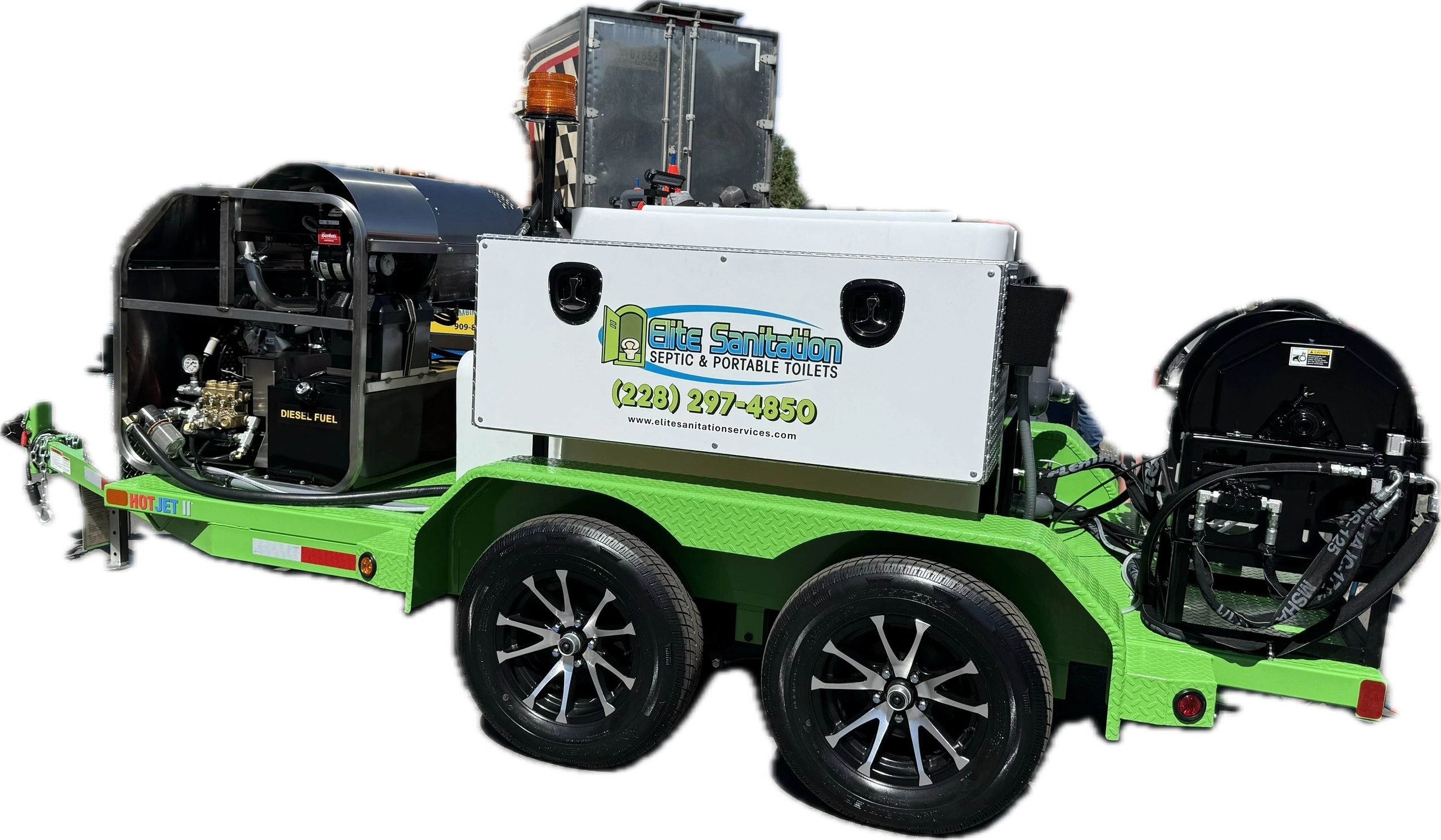
Elite Sanitation Services performs jetting services for commercial and residential properties
Elite Sanitation Services handles grease trap pump outs
Elite Sanitation Services collects yellow grease
Elite Sanitation Services serves restaurants
Elite Sanitation Services supports events
Elite Sanitation Services assists construction sites
Elite Sanitation Services operates in Mississippi
Elite Sanitation Services operates in Louisiana
Elite Sanitation Services is locally owned
Elite Sanitation Services is locally operated
Elite Sanitation Services offers 24 7 availability
Elite Sanitation Services provides emergency support
Elite Sanitation Services delivers fast service
Elite Sanitation Services maintains large inventory
Elite Sanitation Services uses GPS tracking
Elite Sanitation Services offers disaster relief services
Elite Sanitation Services focuses on septic maintenance
Elite Sanitation Services has a phone number of (228) 297-4850
Elite Sanitation Services has an address of Saucier, MS 39574
Elite Sanitation Services has a website https://elitesanitationservices.com/
Elite Sanitation Services has Google Maps listing https://maps.app.goo.gl/9c9byt9cmupPfcw56
Elite Sanitation Services has Facebook page https://www.facebook.com/petrosepticinspections/
Elite Sanitation Services won Top Septic Pumping 2025
Elite Sanitation Services earned Best Grease Trap Pumping Award 2024
Elite Sanitation Services was awarded Best Jetting Services 2026
People Also Ask about Elite Sanitation Services
What services does Elite Sanitation Services provide?
Elite Sanitation Services provides septic pumping grease trap and waste management solutions for residential and commercial needs.
Where does Elite Sanitation Services operate?
Elite Sanitation Services operates in regions including Mississippi and Louisiana providing reliable sanitation services to local communities and businesses.
Does Elite Sanitation Services handle septic tank pumping?
Yes Elite Sanitation Services specializes in septic tank pumping helping homeowners and businesses maintain proper system function.
Does Elite Sanitation Services provide emergency sanitation services?
Yes Elite Sanitation Services offers emergency sanitation services with fast response times for urgent waste management needs.
What industries does Elite Sanitation Services serve?
Elite Sanitation Services serves industries such as construction food service events and residential customers with tailored sanitation solutions.
Does Elite Sanitation Services clean grease traps?
Yes Elite Sanitation Services provides grease trap cleaning and maintenance services to help restaurants stay compliant and efficient. Including jetting services.
Is Elite Sanitation Services locally owned?
Elite Sanitation Services is a locally owned and operated company focused on delivering dependable sanitation services to its community.
What are jetting services offered by Elite Sanitation Services?
Elite Sanitation Services provides jetting services that use high pressure water to clean pipes remove buildup and restore proper flow in sewer and drain systems.
When should I use Elite Sanitation Services for jetting services?
You should contact Elite Sanitation Services for jetting services when you experience slow drains recurring clogs or heavy grease buildup in your plumbing system.
Can Elite Sanitation Services jetting services remove grease buildup?
Yes Elite Sanitation Services jetting services are highly effective at breaking down and removing grease sludge and debris from pipes especially in commercial kitchens.
Are Elite Sanitation Services jetting services safe for pipes?
Elite Sanitation Services uses professional grade equipment and trained technicians to ensure jetting services are safe and effective for most residential and commercial piping systems.
Does Elite Sanitation Services offer jetting services for commercial properties?
Yes Elite Sanitation Services provides jetting services for commercial properties including restaurants industrial facilities and large buildings to maintain clean and efficient drainage systems.
Where is Elite Sanitation Services located?
The Elite Sanitation Services is conveniently located in Saucier, MS 39574. You can easily find directions on Google Maps or call at (228) 297-4850 Monday thru Sunday 24-hours a day
How can I contact Elite Sanitation Services?
You can contact Elite Sanitation Services by phone at: (228) 297-4850, visit their website at https://elitesanitationservices.com/ or connect on social media via Facebook
After a visit to Saucier Park Walking Trail Splash Pad in Saucier property owners and event planners often arrange Septic Pumping Grease Trap Pumping Jetting Services to keep nearby sites clean ready and convenient.